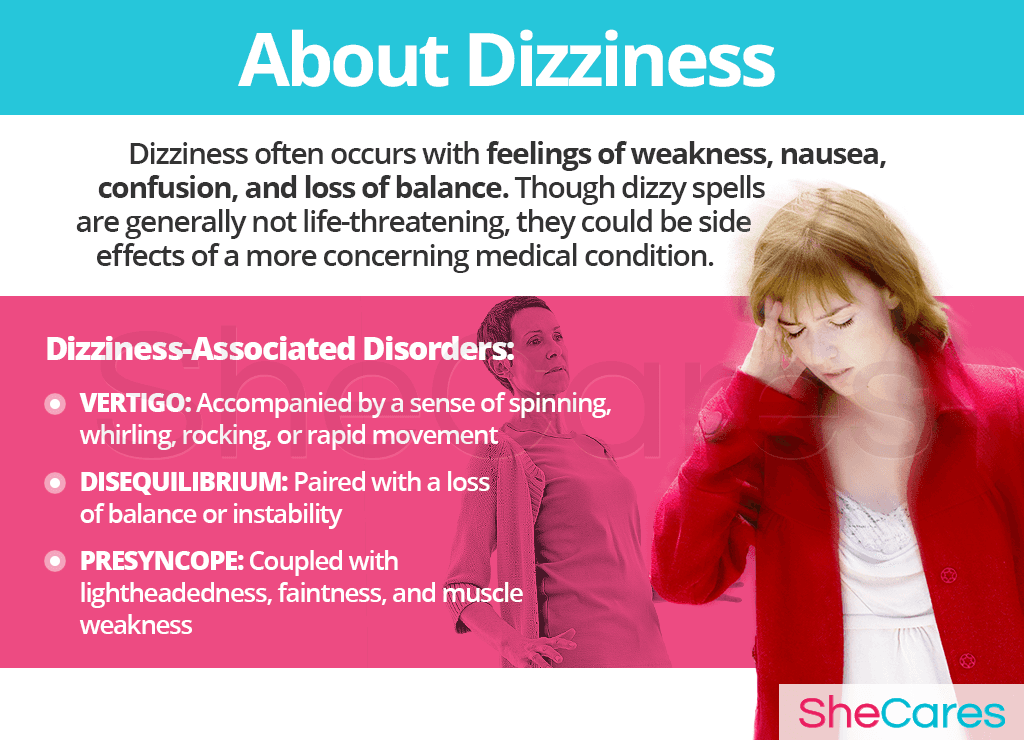
현기증에는 종종 쇠약감 , 메스꺼움 , 혼란, 균형 감각 상실이 동반됩니다. 현기증을 자주 경험하는 사람들은 이러한 지속적인 방해에 대처하는 데 어려움을 겪을 수 있습니다. 일반적으로 생명 을 위협하지는 않지만, 현기증은 다른 질환의 증상일 수 있습니다.
현기증이 발생하면 몸의 신호에 귀 기울이고 속도를 늦추는 것이 중요합니다. 현기증은 넘어지거나 실신으로 이어질 수 있기 때문입니다. 증상은 사람마다 다르며, 가끔씩 나타나는 가벼운 현기증부터 심하게 자주 나타나는 현기증까지 다양합니다. 현기증은 사춘기, 임신, 산후(모유 수유 포함), 폐경기 등 여성의 특정 생식기에서 흔히 나타납니다.
현기증은 사람마다 다르게 나타나며, 빨리 회복되는 사람도 있고, 회복하는 데 오랜 시간이 걸리는 사람도 있으며, 극단적인 경우에는 일상생활을 할 수 없게 됩니다.
현기증 식별
어지럼증은 의학 분야에서 주관적인 용어입니다. 사람마다 다르게 해석될 수 있고 측정하기도 어렵기 때문입니다. 일반적으로 어지럼증은 현기증 , 평형 감각 상실 , 실신 전조 증상 과 관련이 있을 수 있습니다 .
현기증의 원인에 대해 자세히 알아보려면 계속 읽어보세요.
원인
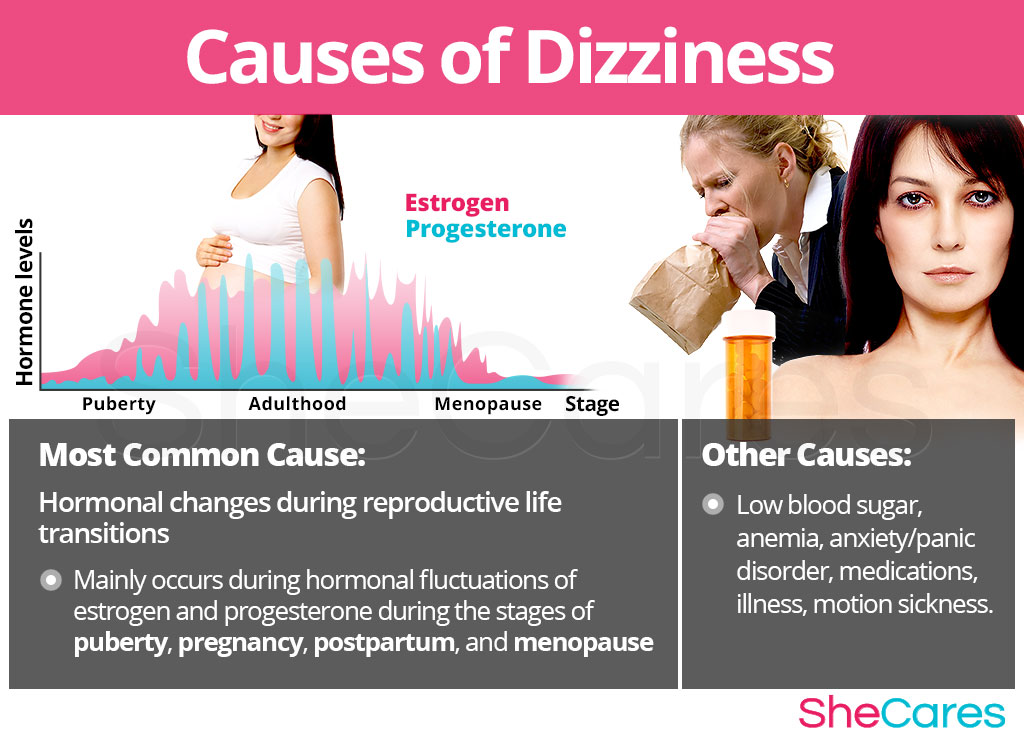
현기증은 일반적으로 호르몬 불균형 의 증상으로 , 사춘기, 임신, 산후, 그리고 폐경기 여성에게 흔히 나타납니다. 호르몬 불균형이 현기증의 주요 원인이지만, 멀미나 저혈당과 같은 다른 문제도 원인이 될 수 있습니다.
현기증의 다른 일반적인 원인은 다음과 같습니다.
앞서 언급했듯이, 현기증은 호르몬 변화로 인해 발생할 수 있습니다. 현기증의 호르몬적 원인을 알아보려면 계속 읽어보세요.
현기증의 호르몬적 원인
호르몬은 성장, 뇌 기능, 생식 등 체액 조절을 담당하는 화학 전달 물질입니다. 따라서 호르몬, 특히 에스트로겐과 프로게스테론의 정상 수치에 변화가 생기면 예상치 못한 부작용이 발생할 수 있습니다.
낮은 에스트로겐 수치는 전신의 혈류 변동을 유발하여 어지럼증과 현기증을 유발하는 것으로 알려져 있습니다 . 호르몬 불균형은 혈당 대사의 불규칙성과 내이 문제를 유발할 수 있으며, 이 두 가지 모두 현기증을 유발할 수 있습니다. 안면홍조 와 같은 다른 저에스트로겐 증상과 함께 나타날 수 있습니다 . 현기증은 심한 불안과 관련이 있는 것으로 알려져 있지만, 특히 폐경기 동안의 호르몬 변동은 양성 발작성 체위성 현기증(BPPV)과 같은 현기증 관련 질환의 발생 위험을 증가시키는 것으로 알려져 있습니다.
여성의 생식기 각 단계에 따라 이 질환이 나타나는 특정 호르몬적 원인 도 다릅니다 . 이러한 호르몬적 원인과 기타 요인들은 여성의 현기증 경험에 영향을 미칠 수 있으며, 특히 사춘기, 임신, 산후, 그리고 폐경기에 두드러지게 나타납니다.
여성의 삶의 여러 단계에서 나타나는 호르몬적 원인
사춘기 는 소녀의 신체가 생식 호르몬을 생성하기 시작하는 단계입니다. 이러한 요인과 열악한 식습관 , 음주 등의 다른 요인이 이 시기에 현기증을 유발할 수 있습니다.
임신은 생식 호르몬 생산에 극심한 변화를 초래하는데, 피로 나 신체적 변화 와 같은 다른 요인과 함께 현기증을 유발할 수 있습니다.
산후 및 모유 수유는 생식 호르몬 불균형으로 인해 어지럼증과 같은 증상이 나타나는 또 다른 단계입니다. 또한, 산후 우울증 과 같은 다른 요인들도 산후 어지럼증에 영향을 미칩니다 .
폐경 은 여성의 삶에서 생식 호르몬 생성이 자연적으로 감소하여 가임 능력이 끝나가는 시기입니다. 호르몬 외에도 폐경 중 어지럼증의 원인에는 다른 요인들이 있으며, 여기에는 다른 폐경 증상 도 포함됩니다 .
여성의 일생 동안 현기증이 나타나는 가장 흔한 원인은 호르몬 불균형이지만, 다른 드문 기저 질환으로 인해 현기증이 발생할 수도 있습니다 .
현기증의 덜 흔한 다른 원인
호르몬 불균형과 관련이 없는 현기증의 다른 원인으로는 바이러스 감염, 메니에르병, 저혈압, 척추나 목 관절염, 과호흡, 알코올 및 약물 남용 등이 있습니다.
현기증은 여성의 삶의 특정 시기에 호르몬 불균형으로 인해 발생할 수 있지만, 더 심각한 질환의 징후일 수도 있습니다. 심장마비 , 뇌졸중 , 일산화탄소 중독 , 발작 과 관련된 현기증의 경우 언제 전문가의 도움을 받아야 하는지 알아보려면 계속 읽어보세요 .
현기증은 호르몬 불균형으로 인해 발생하는 경우가 많지만, 일부 여성은 다른 여성보다 현기증을 경험할 위험이 더 높습니다. 현기증과 관련된 위험 요인에 대해 자세히 알아보려면 계속 읽어보세요.

두통과 현기증을 같은 방법으로 완화하는 것이 가능한 경우가 많습니다. 의사들은 물을 더 많이 마실 것을 권장합니다. 수분 섭취는 신체 기능을 유지하는 데 매우 중요합니다. 또한, 충분한 휴식은 매우 중요합니다. 몇 시간 더 자거나, 잠깐 휴식을 취하는 것도 좋은 방법입니다.
위험 요인 및 유발 요인
현기증의 위험 요인
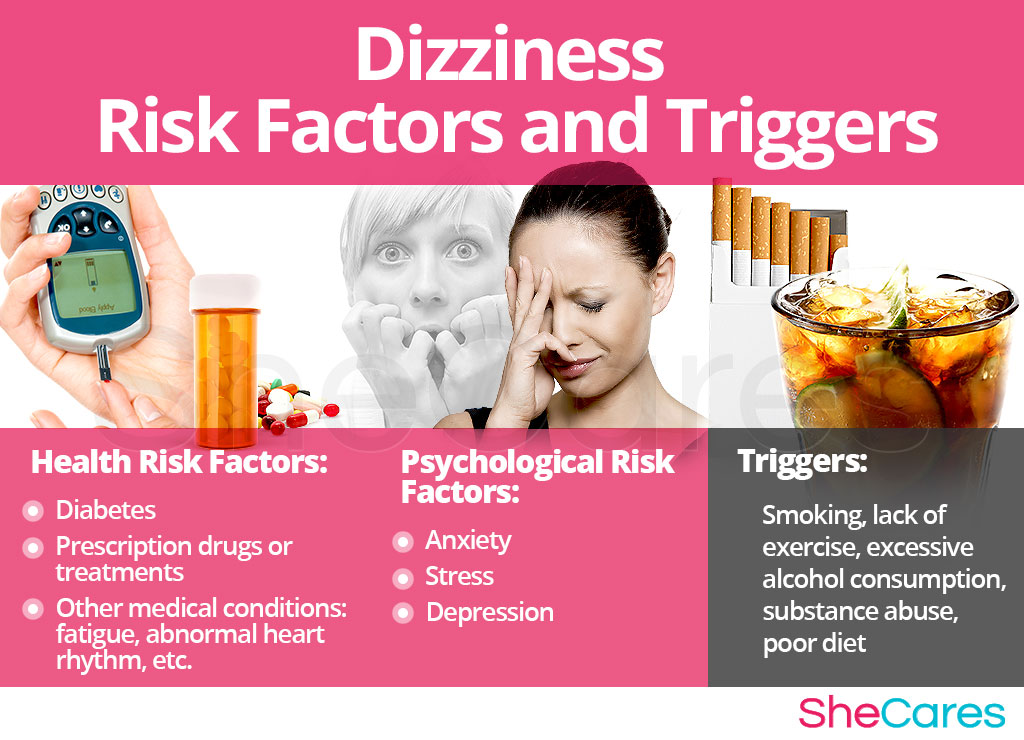
일부 여성은 다양한 심리적 , 행동적 , 건강상의 이유로 다른 여성보다 어지럼증을 겪을 가능성이 더 높습니다 . 이러한 요인들은 여성의 호르몬 수치에 영향을 미치고, 생식 기간 동안 어지럼증을 경험할 가능성에 영향을 미칠 수 있습니다.
- 건강 위험 요인. 일반적으로 전반적인 건강 상태가 좋지 않은 여성은 건강한 여성보다 현기증을 경험할 가능성이 더 높습니다. 다음과 같은 질환이 있는 여성은 현기증을 경험할 수 있습니다.
- 당뇨병. 당뇨병 환자는 인슐린이라는 호르몬을 자연적으로 생성할 수 없습니다. 인슐린은 혈류의 포도당 수치를 조절하는 데 도움을 줍니다. 따라서 당뇨병 환자는 체내 포도당 수치가 너무 높거나 낮을 때 어지럼증을 경험할 수 있습니다.
- 처방약이나 치료 , 특히 혈압 조절에 사용되는 약물은 현기증을 유발할 수 있습니다. 여성은 약물 복용 전에 해당 약물의 잠재적 부작용에 대해 의사와 상담하는 것이 중요하며, 현재 복용 중인 다른 약물에 대해서도 상의하여 적절한 조합으로 처방받을 수 있도록 해야 합니다.
- 기타 질환. 극심한 피로, 만성 통증, 비정상적인 심박수, 메니에르병, 음식 알레르기 등이 현기증의 원인일 수 있습니다.
- 심리적 위험 요인. 추가 연구에 따르면 다음과 같은 심리적 상태도 현기증의 잠재적 원인일 수 있습니다.
- 불안. 불안 장애를 겪는 여성은 걱정하는 데 과도한 시간을 보내는 경우가 많으며, 이는 불안 발작을 유발할 수 있습니다. 과호흡을 유발하는 불안 발작은 현기증을 유발할 수 있습니다.
- 스트레스. 만성 스트레스를 겪는 여성은 과호흡을 겪을 수 있으며, 이로 인해 현기증이 발생할 수 있습니다.
현기증의 원인
장기적인 위험 요인 외에도, 다른 습관이나 환경 도 어지럼증을 유발할 수 있습니다 . 이러한 습관을 피하고 환경에 대한 반응을 조절하는 것이 어지럼증 증상을 완화하는 데 도움이 될 수 있습니다.
현기증 치료 계획을 선택할 때는 징후와 증상을 이해하는 것이 중요합니다. 여성의 현기증 징후와 증상에 대해 자세히 알아보려면 계속 읽어보세요.
징후 및 증상
현기증을 진단하는 데 도움이 될 수 있는 다양한 의학적 징후와 증상이 있습니다. 이러한 징후와 증상에 대해 자세히 알아보고, 병원 진료 시 예상되는 상황에 대해 알아보려면 계속 읽어보세요.
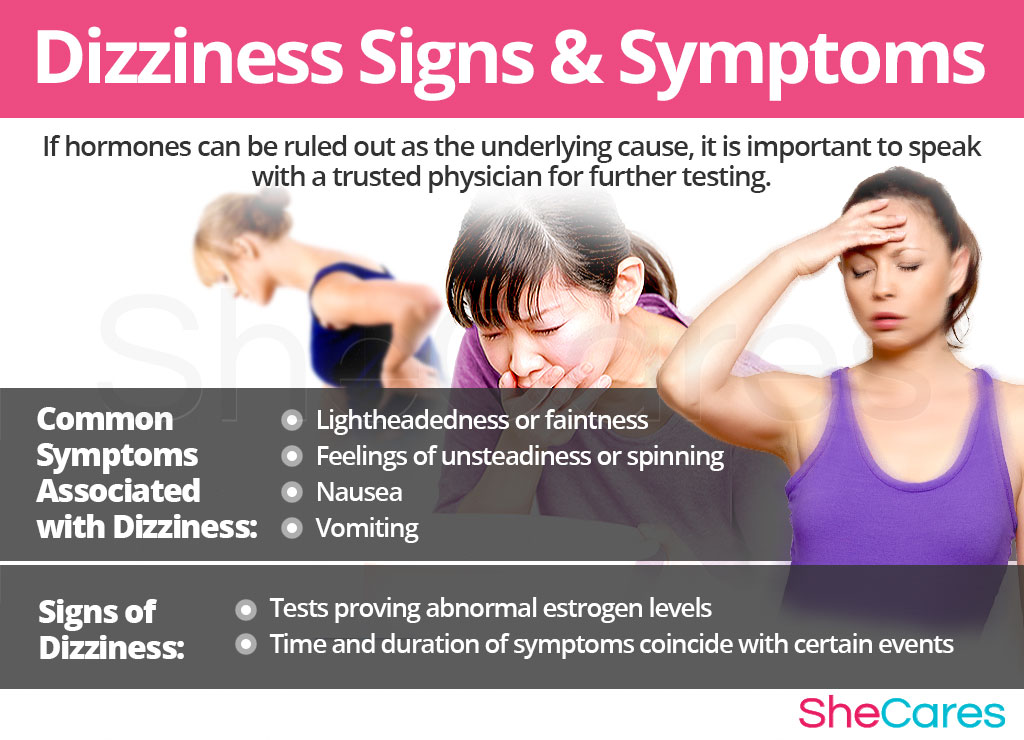
현기증과 관련된 일반적인 증상
- 어지러움
- 기절
- 균형 상실
- 불안정함이나 회전감
- 메스꺼움
- 구토
- 착란
현기증의 징후
현기증과 관련된 신체적 증상 외에도 항상 명확하지 않은 의학적 지표도 있으며, 이는 의사나 의료 전문가가 평가할 수 있습니다.
- 에스트로겐 수치. 에스트로겐은 특히 사춘기, 임신, 산후, 그리고 폐경기에 호르몬 불균형을 유발할 수 있습니다. 이러한 시기에 여성 신체의 에스트로겐 수치가 일정하지 않으면 어지럼증이 발생할 수 있습니다.
- 증상의 시간과 지속 시간. 어지럼증 발생 시기, 빈도, 섭취한 음식, 그날의 스트레스 수준 등을 포함하여 어지럼증 발작을 모니터링하고 기록하는 것이 도움이 될 수 있습니다. 이를 통해 여성이 과도한 카페인 섭취, 직장에서 스트레스가 많은 상황, 또는 생리 중에 어지럼증이 발생하는 등의 패턴을 파악하는 데 도움이 될 수 있습니다. 예를 들어, 어떤 여성들은 아침에 어지럼증을 매우 자주 경험합니다.
현기증을 참을 수 없거나 호르몬 이외의 다른 원인으로 인한 것일 경우, 개별적인 증상을 적절히 치료하기 위해 검사를 시행할 수 있는 의사와 상담하는 것이 좋습니다. 현기증 진단 및 검사에 대해 자세히 알아보려면 계속 읽어보세요.
현기증 진단
의사는 현기증을 진단하고 확인하기 위해 세 가지 시술을 시행합니다. 환자의 병력을 검토 하고, 신체 검사 와 심리 평가를 실시합니다 . 필요한 경우 추가 검사를 실시합니다.
의사 진료 후 추가 검사가 필요할 수 있습니다. 어지럼증 예방 및 관리에 대해 자세히 알아보려면 계속 읽어보세요.
현기증의 합병증
가끔씩 어지럼증이 나타나는 것은 일반적으로 걱정할 필요가 없지만, 드물게 심각한 건강 문제의 징후일 수 있습니다. 어지럼증은 구토, 메스꺼움, 명확한 사고 능력 저하, 그리고 기타 여러 합병증을 유발할 수 있습니다.
여성의 현기증을 조절하여 일상생활을 정상적으로 유지하려면 특별한 운동, 대체 요법 또는 약물이 필요할 수 있습니다. 현기증을 경험하는 여성은 낙상이나 실신의 가능성 때문에 주변 환경에 특히 주의해야 하며, 현기증이 발생할 가능성이 있는 경우 운전이나 중장비 조작을 하지 않아야 합니다.
경미한 어지럼증은 여성의 생리 주기와 관련된 호르몬 변화의 일부일 수 있습니다. 그러나 조절되지 않는 어지럼증은 여성의 삶의 질에 심각한 영향을 미칠 수 있습니다. 어지럼증의 일부 합병증에는 특정 경고 신호가 포함됩니다 .
불분명한 사고, 피로, 균형 감각 상실, 편두통, 안면 마비, 눈 통증, 이명, 흉통 등의 합병증은 모두 현기증과 관련이 있는 것으로 알려져 있습니다. 따라서 현기증의 원인을 가능한 한 빨리 파악하는 것이 중요합니다. 현기증을 예방하고 관리하는 가장 좋은 방법을 알아보려면 계속 읽어보세요.
예방 및 관리
현기증 예방
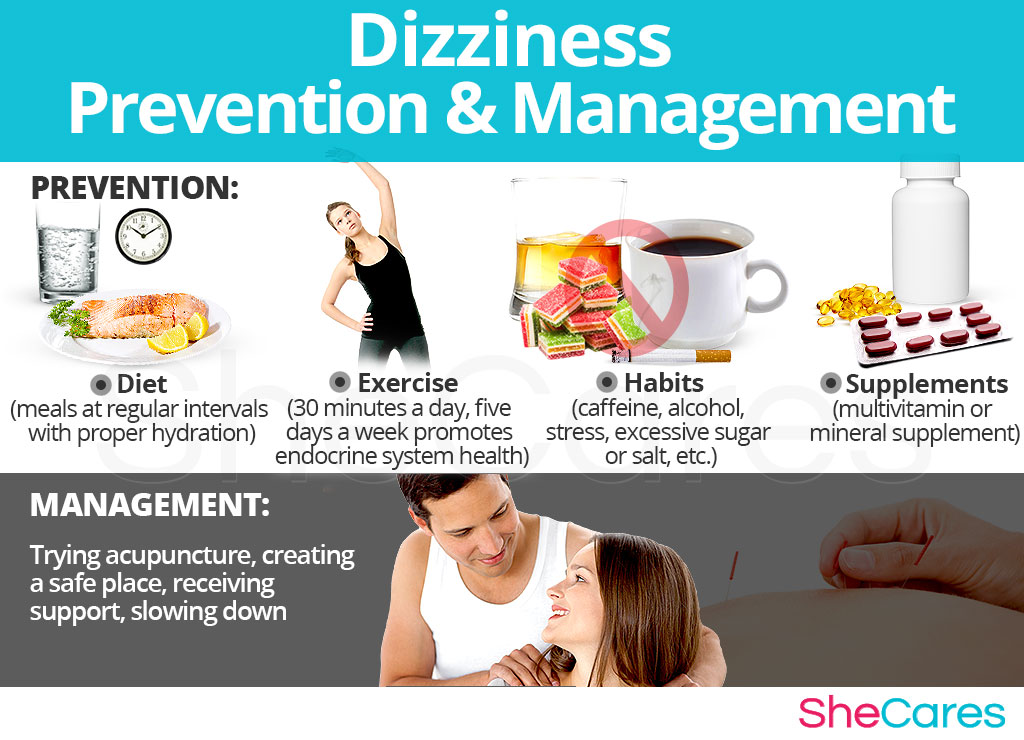
어지럼증을 겪는 사람은 어지럼증을 예방하고 관리하기 위해 여러 가지 행동 변화를 시도할 수 있습니다. 최적의 관리를 위해 식단 , 보충제 복용 , 습관 , 운동을 병행할 수 있습니다.
이미 어지럼증을 겪고 있는 여성의 경우, 어지럼증 발작을 예방하는 것이 불가능할 수 있습니다. 하지만 긍정적인 측면은 여성이 어지럼증을 관리하고 증상의 강도를 줄일 수 있는 다양한 방법이 있다는 것입니다. 어지럼증 관리 방법을 알아보려면 계속 읽어보세요.
현기증 관리
여성이 현기증을 경험할 때 어디에 있든, 자신의 상태를 가장 잘 관리 할 수 있는 효과적인 방법이 있습니다 . 일상생활을 변화시키고 유발 요인을 피하는 것은 여성의 현기증 경험에 큰 영향을 미칠 수 있습니다.
여성들이 현기증이 발생할 때 어디에 있든, 현기증이 삶에 미치는 영향을 줄이기 위해 할 수 있는 일은 많습니다.
현기증의 근본 원인을 파악하는 것이 가장 중요합니다. 그래야 최선의 치료법을 찾을 수 있습니다. 현기증 치료에 대해 자세히 알아보려면 계속 읽어보세요.
치료
어지럼증의 각 증상에 대한 치료는 원인에 따라 달라집니다. 경미한 어지럼증은 대부분 저절로 회복되지만, 재발하는 어지럼증은 더 심각한 질환의 징후일 수 있으므로 치료하는 것이 중요합니다.
현기증을 치료하는 세 가지 접근법
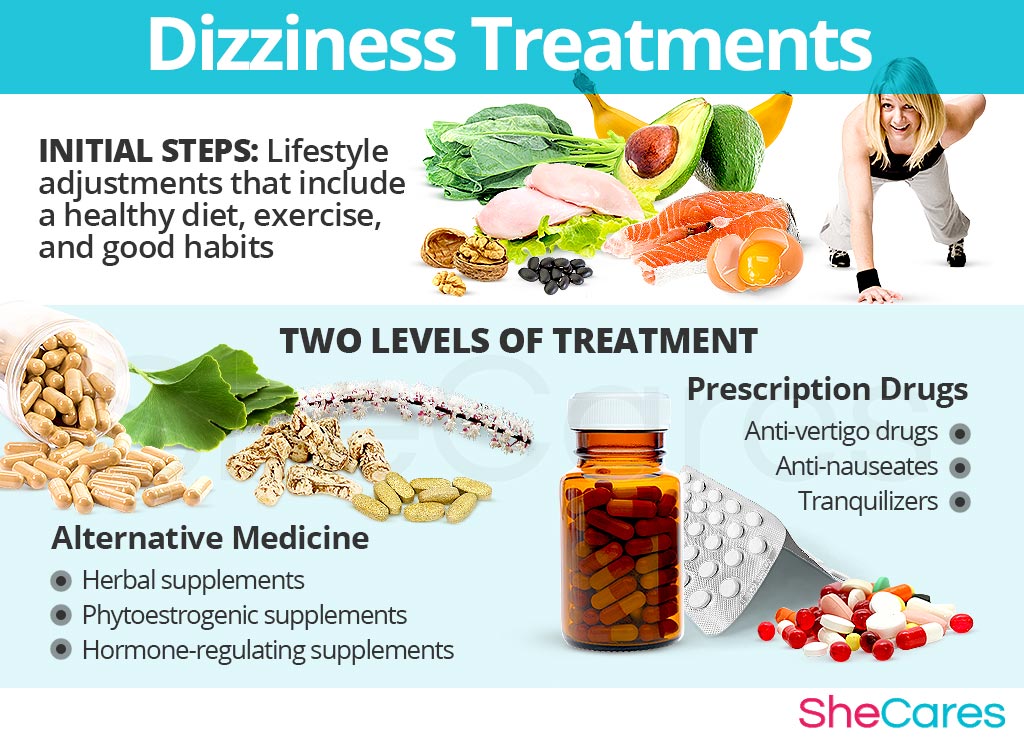
The three categories of dizziness treatments are (1) Lifestyle Changes, (2) Alternative Medicine and (3) Pharmaceutical Options.
Women are encouraged to begin with the first line of treatments, lifestyle changes, which involve the least risks. Lifestyle changes can make a big difference in alleviating dizziness; however, they do not address the root cause of dizziness, which is hormonal imbalance. Fortunately, when coupled with alternative medicine, lifestyle changes can be an effective method of treating dizziness.
1
Lifestyle Changes for Dizziness
Making lifestyle changes tends to be the least expensive and invasive form of treatment, but often involves the most self-discipline. Implementing a healthy diet, regular exercise and healthy habits can all make a difference in helping to alleviate dizziness.
It may be helpful to keep a diary in order to track dizzy spells to check for trends. Include details such as the time that dizzy spells occur, how long they last, the activity preceding dizziness and any other relevant details.
If lifestyle changes do not decrease the occurrence of, severity or intensity of dizziness, it may be helpful to incorporate alternative treatments into one’s daily routine.
2
Alternative Medicine for Dizziness
Alternative medicines involve minimal risk, and can treat dizziness at the root of the problem, which is hormonal imbalance. There are two different types of alternative medicine; phytoestrogenic herbal supplements, and hormone-regulating herbal supplements.
Phytoestrogenic herbal supplements
Phytoestrogenic herbal supplements, like black cohosh, ginkgo biloba and dong quai contain plant-based estrogens that can help relieve dizziness caused by hormonal imbalance.
These herbs are not recommended for long-term use, because they may decrease the body’s ability to produce estrogen naturally.
Hormone-regulating herbal supplements
Hormone-regulating herbal supplements (e.g. Macafem) are good natural supplements that can be used over a longer period of time, because they do not contain estrogen. Instead, Macafem nourishes the endocrine system and encourages the body to produce estrogen on its own.
These supplements can be considered the safest and most natural way to treat the underlying hormonal imbalance behind dizziness, and can be taken throughout a woman’s life, as they support the body’s natural hormone production.
If changes in lifestyle and alternative treatments are not effective in providing relief from dizziness, it may be necessary to take medication to manage dizzy spells.
3
Pharmaceutical Options for Dizziness
Treatments at the third level involve the highest risks, and often the highest costs. Pharmaceutical treatments should only be considered if lifestyle changes combined with alternative medicine do not alleviate dizziness, and should always be used under the supervision of a physician. Depending on the cause of dizziness, different medications will be suggested for each individual.
Anti-vertigo drugs, anti-nauseates, tranquillizers, antihistamines, and pain-relief drugs are all commonly used to treat dizziness. A combination of lifestyle changes, alternative treatments and drugs seems to be the most effective solution to extreme cases of dizziness.
It is possible to experience side effects as the result of taking any drugs, whether they’re administered via prescription or over the counter. It is recommended that all medication be taken under the advice and monitoring of a healthcare professional.
These three approaches are not mutually exclusive. A woman may use different approaches at different times or any combination of them, depending on the duration and severity of symptoms. Today, it is becoming increasingly common for women to find that dealing with menopause symptoms is best accomplished through a combination of healthy lifestyle and alternative treatments.

Feelings of dizziness on occasion is unlikely to be a sign of any serious condition, but merely a consequence of your behavior and activities on any given day. However, if you feel this sensation increasingly, it is important that you consult your doctor because it could be a symptom of something more significant.
About
Feelings of weakness, nausea, confusion and loss of balance often accompany dizziness. People who experience frequent spells of dizziness may struggle to deal with this persistent interruption. Though generally not life-threatening, dizziness can be the symptom of another medical condition.
It’s important to listen to the body and slow down when experiencing dizziness, because this condition can lead to falls or fainting. Symptoms vary from person to person, ranging from occasional, mild dizzy spells to severe frequent episodes. Dizziness is common during certain reproductive stages in a woman’s life, such as during puberty, pregnancy, postpartum – including breastfeeding – and menopause.
Dizzy spells also affect people differently, and some will be able to recover quickly, while others will take longer to recover, or in extreme cases, find it impossible to carry on with their daily activities.
Identifying Dizziness
Dizziness is a subjective term in the medical field, as it can mean different things to different people, and is difficult to measure. In general terms, dizziness could be related to vertigo, disequilibrium, and presyncope.
Keep reading to learn more about the causes of dizziness.
Causes
Dizziness is generally the symptom of hormonal imbalance, which is commonly experienced in women during the stages of puberty, pregnancy, postpartum, and menopause. Though hormonal imbalance is the main cause of dizziness, other issues, like motion sickness, or low blood sugar can also be causes.
Other typical causes of dizziness include:
- Anemia
- Internal bleeding
- Illness (e.g. cold or flu)
- Medications
- Anxiety / panic disorder
As noted, dizziness can sometimes be caused by hormonal changes. Read on to discover the hormonal cause of dizziness.
Hormonal Causes of Dizziness
Hormones are chemical messengers responsible for the regulation of bodily fluids including growth, brain function and sexual reproduction. Accordingly, a shift in normal levels of hormones – specifically estrogen and progesterone – can cause unexpected side effects.
It is believed that low estrogen levels provoke blood flow fluctuations throughout the body, thus causing feelings of lightheadedness and dizziness. Hormonal imbalance can also cause irregularities in blood sugar metabolism and problems with inner ear, both of which may lead to dizziness. It can occur alongside other low estrogen symptoms, such as hot flashes. While episodes of dizziness have been linked to high levels of anxiety, hormonal fluctuations through life – especially during menopause – are thought to increase the chances of developing dizziness-related disorders, such as benign paroxysmal positional vertigo (BPPV).There are also specific hormonal causes that vary with every stage of a woman’s reproductive life in which this disorder appears. These hormonal causes and other factors can influence a woman’s experience of dizziness, as is evident during puberty, pregnancy, post-partum, and menopause.
Hormonal Causes during Different Phases in a Woman’s Life
Puberty is the stage when a girl’s body starts producing reproductive hormones; these and other factors, such as poor diet and alcohol consumption, may cause dizziness at this time.
Pregnancy leads to extreme changes in the production of reproductive hormones, which along with other factors, like fatigue or bodily changes, can lead to dizziness.
Postpartum and breastfeeding is another stage when reproductive hormones are imbalanced, leading to symptoms like dizziness. Also, other factors contribute to dizziness during postpartum, like postpartum depression.
Menopause is the stage in a woman’s life when production of reproductive hormones naturally declines, signaling the end of a woman’s fertility. As well as hormonal causes, other factors add to the reasons for dizziness during menopause, including the experience of other symptoms of menopause.
While hormonal imbalance is the most common cause of dizziness during a woman’s life, dizziness may also be caused by other more rare underlying conditions.
Other Less Common Causes of Dizziness
Other causes of dizziness that are not related to hormonal imbalance include: viral infections, Meniere’s disease, low blood pressure, arthritis of the spine or neck, hyperventilation, as well as alcohol and drug abuse.
Dizziness may occur as the result of hormonal imbalance during certain times in a woman’s life, but it may also indicate a more serious condition. Keep reading to discover when to seek professional help for cases of dizziness relating to heart attack, stroke, carbon monoxide poisoning and seizures.
Although dizzy spells are commonly caused by hormonal imbalance, some women are more at risk of experiencing dizziness than others. Continue reading to learn more about the risk factors associated with dizziness.
It is often possible to alleviate both headaches and dizziness with the same actions. Doctors recommend drinking more water – hydration is extremely important for maintaining a well-functioning body. Also, taking rest is invaluable – whether this is in the form of an extra hours sleep, or merely relaxing for a short time.
Risk Factors and Triggers
Risk Factors for Dizziness
Some women are more susceptible to suffering from dizziness than others for different psychological, behavioral and health reasons. These factors can affect a woman’s hormone levels and impact her chances of experiencing dizziness during her reproductive life.
- Health risk factors. In general, women with poor overall health are more susceptible to experiencing dizziness than healthy women. Women with any of the following health conditions may have dizzy spells as a result:
- Diabetes. People with diabetes are unable to naturally produce the hormone insulin. Insulin helps to regulate glucose levels in the blood stream. Consequently, diabetics may experience dizziness when glucose levels in the body are too high or low.
- Prescription drugs or treatments, especially those used to control blood pressure, can cause dizziness. It is important for women to speak with their doctors about the potential side effects of any medication before taking it, and they should be sure to discuss any additional medications that they’re taking, to ensure that one is prescribed a compatible combination.
- Other medical conditions. Extreme tiredness, chronic pain, abnormal heart rhythm, Meniere’s disease and food allergies are possible causes of dizziness.
- Psychological risk factors. Further research suggests that the following psychological conditions are also potential causes of dizziness:
- Anxiety. Women suffering from anxiety often spend a disproportionate amount of time worrying, which can cause anxiety attacks. Anxiety attacks that cause hyperventilation can lead to dizzy spells.
- Stress. Women experiencing chronic stress may begin to hyperventilate also, which causes dizziness.
Triggers of Dizziness
Beyond the long-term risk factors, dizziness can also be triggered by other habits and environments. Avoiding these habits and controlling one’s reactions to these environments can help to decrease dizziness symptoms.
When choosing a treatment plan for dizziness, it’s important to understand the signs and symptoms. Continue reading to discover more about the signs and symptoms of dizziness in women.
Signs and Symptoms
There are different medical signs and symptoms that can be useful in identifying dizziness. Keep reading to learn more about them, as well as what to expect during a doctor’s visit.
Common Symptoms Associated With Dizziness
- Lightheadedness
- Faintness
- Loss of balance
- Feelings of unsteadiness or spinning
- Nausea
- Vomiting
- Confusion
Signs of Dizziness
In addition to the physical symptoms associated of dizziness, there are also medical indicators that are not always obvious, and can be assessed by a doctor or healthcare professional.
- Estrogen levels. Estrogen can cause hormonal imbalances, particularly during puberty, pregnancy, postpartum and menopause. The inconsistent levels of estrogen in a woman’s body during these periods may result in dizzy spells.
- Time and duration of symptoms. It may be helpful to monitor and record bouts of dizziness, including when it occurs, how often it occurs, as well as food consumed and stress levels that day. This may help to establish a pattern, such as dizziness occurring when a woman has had an excessive amount of caffeine, encountered a stressful situation at work, or during menstruation. For example, certain women experience morning dizziness quite often.
If dizziness is unmanageable, or may be caused by something other than hormones, it is advised to consult a physician, who can perform tests in order to properly treat the individual case. Keep reading to learn more about dizziness diagnosis and tests.
Diagnosis of Dizziness
A doctor will perform three procedures in order to diagnose and identify dizziness. They will review the patient’s medical history, and conduct a physical examination and a psychological evaluation. If necessary, additional tests will be conducted.
Following the doctor’s visit, further tests may be required. Continue reading to learn more about preventing and managing dizziness.
Complications of Dizziness
Occasional bouts of dizziness are generally nothing to be concerned about, but in rare cases, it can be a sign of a serious health condition. Dizziness can cause vomiting, nausea, the inability to think clearly, and various other complications.
It may take special exercises, alternative treatment or drugs in order to get a woman’s dizzy spells under control enough for her to function. Women who experience dizziness need to be especially mindful about the physical space around them because of the possibility of falls or fainting, and should not drive or operate heavy machinery if there’s a possibility that a dizzy spell will occur.
Mild cases of dizziness can be part of the hormonal changes associated with a woman’s menstrual cycle. However, uncontrollable dizziness can severely affect a woman’s quality of life. Some complications of dizziness include specific warning signs.
Complications including unclear thinking, fatigue, loss of balance, migraines, facial numbness, eye pain, ringing in the ears and chest pain have all been linked to dizziness, which is why identifying the cause of dizziness is essential, as soon as possible. Keep reading to discover how to best prevent and manage dizziness.
Prevention and Management
Preventing Dizziness
There are many behavioral changes someone suffering from dizzy spells can make in order to best prevent and handle dizziness. Diet, use of supplements, habits and exercise can be combined for optimum management.
For women who are already experiencing dizziness, it may not be possible to prevent dizzy spells. On the plus side, there are many different ways that women can manage dizziness, and decrease the intensity of symptoms. Continue reading to learn how to manage dizziness.
Managing Dizziness
No matter where a woman is when she is experiencing dizziness, there are effective ways that she can best manage her condition. Making changes in daily routine and avoiding triggers can greatly impact a woman’s experience of dizziness.
There are many things that women can do in order to lessen the impact of dizziness on their lives, no matter where they are when a dizzy spell occurs.
It is important to identify the root cause of dizziness, in order to find the best possible treatment. Continue reading to learn more about treatments for dizziness.
Treatments
The treatment for each individual case of dizziness depends on its cause. Although many minor cases of dizziness can recover on their own, it’s important that recurring episodes of dizziness be treated, because this symptom can be the sign of a more serious medical condition.
Three Approaches to Treat Dizziness
The three categories of dizziness treatments are (1) Lifestyle Changes, (2) Alternative Medicine and (3) Pharmaceutical Options.
Women are encouraged to begin with the first line of treatments, lifestyle changes, which involve the least risks. Lifestyle changes can make a big difference in alleviating dizziness; however, they do not address the root cause of dizziness, which is hormonal imbalance. Fortunately, when coupled with alternative medicine, lifestyle changes can be an effective method of treating dizziness.
1
Lifestyle Changes for Dizziness
Making lifestyle changes tends to be the least expensive and invasive form of treatment, but often involves the most self-discipline. Implementing a healthy diet, regular exercise and healthy habits can all make a difference in helping to alleviate dizziness.
It may be helpful to keep a diary in order to track dizzy spells to check for trends. Include details such as the time that dizzy spells occur, how long they last, the activity preceding dizziness and any other relevant details.
If lifestyle changes do not decrease the occurrence of, severity or intensity of dizziness, it may be helpful to incorporate alternative treatments into one’s daily routine.
2
Alternative Medicine for Dizziness
Alternative medicines involve minimal risk, and can treat dizziness at the root of the problem, which is hormonal imbalance. There are two different types of alternative medicine; phytoestrogenic herbal supplements, and hormone-regulating herbal supplements.
Phytoestrogenic herbal supplements
Phytoestrogenic herbal supplements, like black cohosh, ginkgo biloba and dong quai contain plant-based estrogens that can help relieve dizziness caused by hormonal imbalance.
These herbs are not recommended for long-term use, because they may decrease the body’s ability to produce estrogen naturally.
Hormone-regulating herbal supplements
Hormone-regulating herbal supplements (e.g. Macafem) are good natural supplements that can be used over a longer period of time, because they do not contain estrogen. Instead, Macafem nourishes the endocrine system and encourages the body to produce estrogen on its own.
These supplements can be considered the safest and most natural way to treat the underlying hormonal imbalance behind dizziness, and can be taken throughout a woman’s life, as they support the body’s natural hormone production.
If changes in lifestyle and alternative treatments are not effective in providing relief from dizziness, it may be necessary to take medication to manage dizzy spells.
3
Pharmaceutical Options for Dizziness
Treatments at the third level involve the highest risks, and often the highest costs. Pharmaceutical treatments should only be considered if lifestyle changes combined with alternative medicine do not alleviate dizziness, and should always be used under the supervision of a physician. Depending on the cause of dizziness, different medications will be suggested for each individual.
Anti-vertigo drugs, anti-nauseates, tranquillizers, antihistamines, and pain-relief drugs are all commonly used to treat dizziness. A combination of lifestyle changes, alternative treatments and drugs seems to be the most effective solution to extreme cases of dizziness.
It is possible to experience side effects as the result of taking any drugs, whether they’re administered via prescription or over the counter. It is recommended that all medication be taken under the advice and monitoring of a healthcare professional.
These three approaches are not mutually exclusive. A woman may use different approaches at different times or any combination of them, depending on the duration and severity of symptoms. Today, it is becoming increasingly common for women to find that dealing with menopause symptoms is best accomplished through a combination of healthy lifestyle and alternative treatments.
Feelings of dizziness on occasion is unlikely to be a sign of any serious condition, but merely a consequence of your behavior and activities on any given day. However, if you feel this sensation increasingly, it is important that you consult your doctor because it could be a symptom of something more significant.